
How to Prevent Bacteria Build-Up on Bathroom Stone Vanity Tops?
May 17, 2026
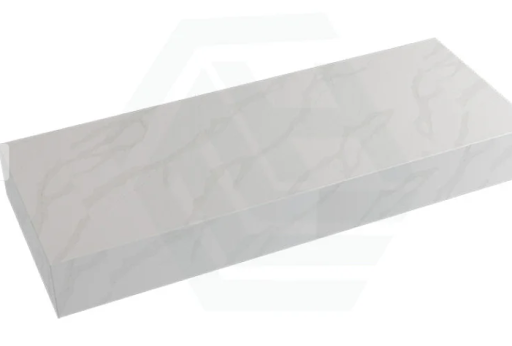
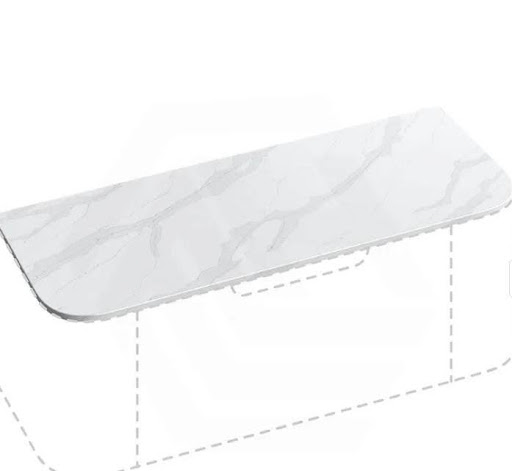
Bathroom stone vanity tops face constant contact with water, soap, cosmetics, and hands, which makes them a prime area for bacteria to grow. Even when the surface looks clean, microscopic germs can settle into pores, seams, and around fixtures. Without a clear routine, this build-up can affect hygiene and damage the beauty of the stone over time.
Homeowners can control bacteria by combining gentle cleaning, proper sealing, and smart bathroom habits. These steps protect both the stone and the people using the space. By understanding how bacteria spread and what stone surfaces need, you can create a bathroom that stays fresh and safe. Small, consistent actions often work better than harsh deep cleans done only once in a while.
What Causes Bacteria Build-Up on Stone Vanity Tops?
Bacteria build-up on stone vanity tops usually starts with moisture. Water from sinks, splashes, and steam leaves the surface damp, which helps germs survive and multiply. Natural stone, especially if unsealed or poorly sealed, can absorb tiny amounts of water, soap, and product residue into pores and micro-cracks. These areas trap organic matter that bacteria feed on. Everyday habits also add to contamination. Touching the vanity with unwashed hands, placing phones, makeup bags, or razors directly on the stone, and leaving standing water near faucets all increase bacterial load.
Toothpaste, cosmetic spills, and soap scum form a sticky film that holds bacteria in place. Poor ventilation keeps humidity high, so the surface stays damp longer. Over time, these factors combine to create a film and hidden pockets where bacteria can thrive, even if the vanity appears visibly clean.
How Can You Prevent Bacteria Build-Up Effectively?
Daily Cleaning and Disinfection Best Practices
Daily care is the easiest way to keep bacteria under control on stone vanity tops. Start by wiping the surface every morning or evening with a soft microfiber cloth and warm water to remove fresh residue. For regular cleaning, use a pH-neutral stone cleaner or a mild dish soap solution, then rinse with clean water and dry thoroughly. Pay attention to areas around faucets, handles, and seams, where moisture collects. Quickly blot spills from toothpaste, makeup, and skincare products instead of rubbing them deeper into the stone. For disinfection, choose a stone-safe disinfectant and follow the contact time on the label. Avoid heavy scrubbing that can damage sealers. Finish each clean by drying the vanity with a clean towel, so bacteria have fewer damp spots to colonize.
Sealing Stone Surfaces to Reduce Absorption
Sealing stone vanity tops helps stop bacteria-friendly moisture and residues from soaking into the surface. A quality stone sealer creates a protective barrier that reduces absorption while keeping the natural look of the material. Before sealing, clean the vanity thoroughly and let it dry completely, so you do not trap dirt or moisture under the sealer.
Apply the product according to the manufacturer’s instructions, usually with a soft cloth or applicator, and wipe off excess to avoid streaks. Different stones and usage levels require different resealing schedules, often every 6–24 months. Perform a simple water test: place a few drops on the surface and check if they bead up or soak in. If water darkens the stone, it is time to reseal. A well-sealed vanity stays cleaner and resists bacteria-holding stains.
Choosing Safe and Effective Cleaning Products
Cleaning products for stone vanity tops must control bacteria without harming the material. Look for pH-neutral stone cleaners labeled safe for granite, marble, quartzite, or the stone you own. These formulas remove grime without etching or weakening sealers. For disinfection, choose products that state “stone-safe” and avoid high concentrations of bleach, vinegar, ammonia, or acidic bathroom cleaners, which can dull or damage natural stone. Alcohol-based sprays at appropriate levels can work for many sealed surfaces, but always spot test first in an inconspicuous area. Read labels carefully and follow dilution instructions to avoid residue that might attract more dirt. Use soft cloths or non-scratch sponges, never abrasive pads or powders. By pairing the right products with gentle tools, you reduce bacteria while protecting the vanity’s finish and lifespan.
What Maintenance Habits Keep Vanity Tops Hygienic Long-Term?
Proper Ventilation and Moisture Control Tips
Long-term hygiene on stone vanity tops depends heavily on how well you manage moisture in the bathroom. Run the exhaust fan during showers and for at least 15–20 minutes afterward to remove steam that settles on surfaces. If the bathroom lacks a fan, open a window or door to improve airflow and reduce humidity. Wipe standing water around faucets and sink edges after use, especially in homes with multiple daily users. Check for slow leaks or drips under and around the sink, and repair them quickly to prevent hidden damp areas. Use absorbent bath mats to keep excess water off the vanity, and avoid placing wet washcloths or sponges directly on the stone. Consistent moisture control makes it harder for bacteria to survive and protects against stains and deterioration.
Organizing Bathroom Items to Reduce Contamination
Good organization reduces clutter, which limits places where bacteria can hide on vanity tops. Store toothbrushes upright in holders rather than laying them directly on the stone, and keep them away from the toilet area. Use trays or shallow organizers for skincare, makeup, and hair products so drips do not spread across the entire surface. Place frequently used items in easy-to-clean containers instead of keeping many loose objects on the vanity. Wipe the bottoms of bottles and containers regularly, since they often collect residue and moisture. Keep a small bin or drawer or razors, nail tools, and grooming items to prevent direct contact with the stone. By keeping the vanity surface as clear as possible, you make daily cleaning faster, more effective, and more thorough.
Conclusion
Preventing bacteria build-up on bathroom stone vanity tops relies on simple, steady habits rather than harsh,
occasional cleaning. When you manage moisture, wipe surfaces daily, and use stone-safe products, you remove the conditions bacteria need to thrive. Sealing the stone reduces absorption and makes each clean more efficient, while good ventilation and smart organization keep the vanity drier and less cluttered. Together, these steps protect your family’s hygiene and preserve the stone’s natural beauty. Think of your routine as a cycle: clean, dry, protect, and organize. With this approach, your vanity remains smooth, fresh, and easier to maintain over the years. A clean stone surface not only looks better but also supports a safer, more comfortable bathroom environment.