
Is a Smartphone Enough for Gaming and Streaming Needs?
May 18, 2026
Is a Smartphone Enough for Gaming and Streaming Needs?
Smartphones now act as gaming consoles and portable TVs for many people. You can download heavy games, watch 4K movies, and even stream from the cloud with just a few taps. Still, many users wonder if a phone can truly replace a PC, console, or smart TV for serious gaming and streaming. The answer depends on your expectations, hardware, and internet connection. This guide explains how modern phones handle gaming, video, and cloud services, what specs matter most, and where smartphones still fall short compared with dedicated devices.
Smartphone Capabilities for Modern Gaming and Streaming
How Smartphones Handle Mobile Gaming Performance
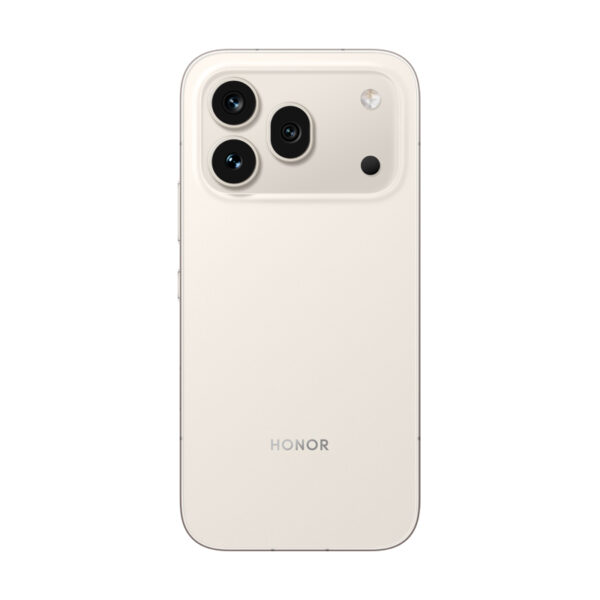
Modern smartphones run popular games like PUBG Mobile, Genshin Impact, Call of Duty Mobile, and Mobile Legends at smooth frame rates. Powerful chipsets, dedicated gaming modes, and improved thermal design help maintain performance under load. Many mid-range and flagship phones now support 90Hz or 120Hz gameplay, which makes controls feel more responsive. Developers also optimize mobile versions with adjustable graphics settings and resolution scaling. Casual and competitive players usually find mobile performance good enough for daily play, especially with touch controls tuned for phones. However, peak performance still relies heavily on hardware quality and device optimization, so buyers often compare options and look for honor 600 pro deals before upgrading.
Streaming Video and Cloud Gaming on Mobile Devices
Smartphones easily stream video from platforms like YouTube, Netflix, and Twitch in HD and even 4K on supported displays. Hardware decoding reduces power draw and keeps playback smooth. For cloud gaming, services such as Xbox Cloud Gaming, NVIDIA GeForce NOW, and Amazon Luna deliver console-level titles over the internet. The phone acts more as a display and controller hub while remote servers handle rendering. This approach lets users play demanding games that exceed local hardware limits. However, cloud gaming performance depends on network speed, latency, and data caps, which can limit reliability on mobile connections.
Key Factors That Determine Gaming and Streaming Quality
Processor, GPU, and RAM Performance
The processor and GPU handle game logic, physics, and graphics rendering, while RAM manages multitasking and smooth app switching. Flagship chips support high frame rates, advanced effects, and fast loading times. At least 6GB to 8GB of RAM helps keep games and background apps responsive. Lower-end devices may struggle with newer titles, even at reduced settings. When the CPU or GPU throttles due to heat, frame drops and stutters appear. Users who want competitive performance or plan to keep a phone for several years should prioritize a stronger chipset and generous memory.
Display Quality, Refresh Rate, and Audio Experience
Display quality shapes how games and videos look and feel. OLED or AMOLED panels show deeper blacks and vibrant colors, enhancing cinematic scenes and dark game environments. Higher refresh rates, such as 90Hz or 120Hz, make animations smoother and touch input more responsive, which benefits fast-paced shooters and racing games. Screen resolution matters, but sharpness above 1080p often offers diminishing returns on small screens. Audio also plays a big role. Stereo speakers, Dolby Atmos support, and quality Bluetooth codecs improve immersion. Many serious players still prefer wired or low-latency wireless headphones for better positional sound.
Battery Life, Cooling Systems, and Network Stability
Gaming and streaming push a phone’s battery, often draining it in a few hours at high brightness. Larger battery capacity, efficient chipsets, and adaptive refresh rates reduce power consumption. Some gaming phones use vapor chambers or active cooling attachments to control heat and prevent throttling. Network stability is just as important. Online games and cloud services require low latency and consistent speeds, whether over Wi‑Fi 6, Wi‑Fi 6E, or 5G. Poor signal, congestion, or high ping quickly ruins matches and streams. For reliable performance, users should game near a strong router or use stable mobile coverage.
Limitations and When Smartphones May Not Be Enough
Challenges with AAA Games and High-End Graphics
Despite powerful hardware, smartphones still cannot match high-end PCs or the latest consoles for AAA gaming. Developers often release scaled-down mobile versions with lower polygon counts, reduced effects, and simplified controls. Serious players miss features like hardware ray tracing at high resolutions, ultra textures, and fully open mod support. Extended play sessions at maximum settings also cause heat buildup and throttling, which reduce frame rates. Larger screens, precise controllers, and advanced graphics options keep PCs and consoles ahead for immersive single-player titles. Users who prioritize top-tier visuals and complex gameplay may find phones insufficient as their only device.
Storage and Long Gaming Sessions
Big games with high-resolution assets and offline content consume huge storage space. Some mobile titles exceed multiple gigabytes, and frequent updates increase the size further. Phones with 64GB or even 128GB fill quickly when you add photos, videos, and apps. Not all devices support microSD expansion, which limits flexibility. Long gaming sessions also highlight ergonomic issues. Slim phones can feel uncomfortable over time, and on-screen controls may cause fatigue or reduced accuracy. Heat near the fingers makes things worse. Gamepads, coolers, and power banks help, but they add bulk. For marathon sessions, many users still prefer consoles or PCs.
Conclusion
Smartphones handle everyday gaming and streaming very well, especially for popular mobile titles, short sessions, and on-the-go entertainment. Strong processors, smooth displays, and robust streaming apps make them practical all-in-one devices. However, they cannot fully
replace consoles or PCs for demanding AAA games, the highest graphics settings, large libraries, and long competitive sessions. Storage limits, heat, and network quality remain real constraints. If you play mostly mobile games, watch videos, and occasionally use cloud gaming, a good mid-range or flagship phone is enough. Dedicated hardware still wins for serious enthusiasts chasing maximum performance and immersion.