
How Do Semi Frameless Screens Improve Bathroom Lighting?
May 17, 2026
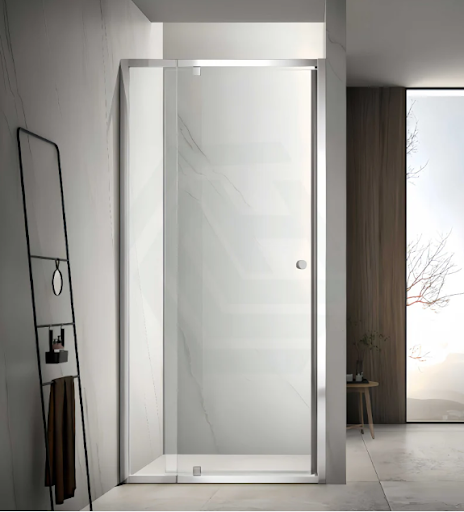
Semi frameless shower screens can change how light moves through a bathroom. Their slimmer frames and larger glass areas reduce visual barriers, so both natural and artificial light spread more evenly. This design helps small or dark bathrooms feel brighter and more open without major renovation work. Homeowners often choose semi frameless screens because they offer a clean, modern look while still providing structure and durability. They also suit many interior styles, from minimalist to classic. When paired with the right glass, finishes, and lighting, these screens create a lighter, more welcoming space. Understanding how they interact with windows, light fittings, and surface materials helps you plan a bathroom that looks brighter, feels larger, and functions better every day.
How Do Semi Frameless Shower Screens Enhance Bathroom Lighting?
Maximizing Natural Light with Minimal Frame Design
Semi frameless shower screens use slimmer profiles than fully framed models, so they block less light from windows or skylights. The reduced metal around the edges allows more daylight to pass through the glass and reach deeper into the room. In many bathrooms, the shower sits between the window and the rest of the space. A chunky frame can cast shadows and break up the light path. By removing heavy framing from the top and vertical edges, semi frameless designs keep the sightlines open and let daylight travel across the floor and walls. This creates a softer, more even glow and makes the bathroom feel larger and less enclosed, especially in compact layouts or rooms with only one small window.
How Clear Glass Improves Light Flow and Visibility
Clear glass is a key reason semi frameless shower screens boost lighting. Because the glass allows maximum transparency, light from windows and ceiling fittings passes through almost unhindered. This uninterrupted flow means fewer dark patches around the shower area and better visibility overall. You can see more of the room, which makes the space feel more open and less segmented. Clear glass also works well with neutral or light-coloured tiles, helping them reflect light around the bathroom. The minimal frame supports the glass without crowding it, so the glass itself becomes a light channel rather than a barrier. For homeowners who want a bright, airy feel, combining semi frameless structure with clear safety glass offers a practical, stylish solution.
Reducing Shadows and Dark Corners in Shower Areas
Shower enclosures often create shadows, especially when they use thick frames or opaque materials. Semi frameless screens reduce this effect by cutting down on visual bulk. Light can enter the shower from more angles, and the slim frame casts narrower shadows on the floor and walls. Because the glass panels cover a larger, uninterrupted area, there are fewer surfaces to block or absorb light. This helps eliminate dark corners where mould and mildew can develop more easily. It also improves safety, giving better visibility of wet floors and fixtures. When you place a semi frameless screen so it faces a window or main light source, it acts almost like a light panel, spreading brightness evenly throughout the shower zone.
What Design Features Help Improve Light Distribution?
Glass Types: Clear, Frosted, and Low-Iron Options
Glass choice plays a big role in how well a semi frameless screen improves lighting. Clear glass lets through the most light and keeps the room feeling open. Frosted or patterned glass adds privacy but slightly diffuses and softens the light, which can still work well in bright bathrooms. Low-iron glass is a premium option that removes the greenish tint found in standard glass. This type offers very high clarity and transmits light more accurately, so colours and finishes in your bathroom appear true and sharp. When you want both brightness and a clean, modern look, low-iron clear glass pairs nicely with semi frameless designs. Consider how much privacy you need, then balance that with your lighting and style priorities.
Frame Finishes and Their Impact on Light Reflection
Frame finish affects not only style but also how light behaves around the shower. Polished chrome and mirror-like finishes reflect light strongly, which can brighten nearby surfaces and add sparkle. Brushed nickel or stainless steel provide softer reflection with fewer glare spots, yet still support good light distribution. Dark finishes, such as matte black, create visual contrast and can frame the glass elegantly, but they absorb more light and may emphasize shadows if the bathroom is already dim. To boost brightness, many homeowners choose lighter metallic finishes that complement taps and hardware. Matching or coordinating finishes across fittings helps create a unified, reflective scheme that bounces light around the room and highlights the semi frameless screen as a key feature.
Placement and Layout for Better Light Coverage
Where you position the semi frameless shower screen has a big impact on lighting performance. Placing the enclosure so it sits in line with the window allows daylight to enter and then pass through the glass into the rest of the room. Avoid layouts where tall walls or cabinets stand between the main light source and the shower, as they will block and fragment light. A corner shower with a clear glass return panel can spread light diagonally across the space. If you have a skylight, aligning the screen under or near it enhances vertical light flow. Always consider where artificial lights sit in relation to the screen, so the glass catches and distributes their output instead of casting harsh shadows.
How Can You Maximize Lighting with the Right Setup?
Pairing Shower Screens with LED and Ambient Lighting
Semi frameless screens work best when you combine them with a thoughtful lighting plan. LED downlights placed near the shower allow light to shine through the clear glass and reach surrounding areas. Warm or neutral white LEDs create a comfortable, natural feel, while cool white works well in very modern bathrooms. You can also use LED strip lighting along niches or under floating vanities to add soft ambient light that reflects off tiles and glass. Wall sconces near mirrors help fill in shadows on faces and complement the overhead lighting. When the screen sits between these light sources and the rest of the room, it helps spread the glow rather than blocking it, giving a balanced, layered lighting scheme.
Using Mirrors and Tiles to Reflect Light Effectively
Reflective surfaces amplify the lighting benefits of semi frameless shower screens. A large mirror above the vanity can bounce both natural and artificial light back through the room, including into the shower area. Position the mirror so it catches the window or main pendant light and reflects it through the clear glass panels. Gloss or satin-finish tiles on walls and floors also help reflect light, especially in pale shades like white, cream, or light grey. Avoid overly dark finishes on large surfaces if your bathroom has limited light. Combining a semi frameless screen with reflective tiles and a well-placed mirror creates multiple light pathways. The result is a brighter, visually larger bathroom where the shower feels integrated, not boxed in.
Conclusion
Semi frameless shower screens improve bathroom lighting by reducing visual barriers, allowing clear glass to transmit light, and minimizing heavy shadows in the shower area. Their slim frames, thoughtful placement, and suitable glass types all work together to create a brighter, more open feel. When you match the frame finish with your fixtures and choose reflective surfaces like mirrors and light-coloured tiles, the screen becomes part of a wider lighting strategy.
Pairing the setup with layered LED and ambient lighting ensures good visibility at any time of day. By planning these elements as a whole, you can turn even a compact or previously dim bathroom into a lighter, more inviting space without sacrificing style or everyday practicality.