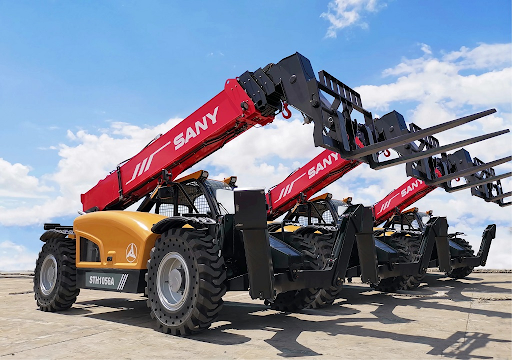
Choosing the right telehandler size starts with a clear view of the loads, heights, and ground conditions you face every day. A telehandler that is too small struggles with capacity and reach. One that is too large can waste fuel, restrict access, and raise operating costs. To make a smart choice, match machine size with real jobsite data instead of guesses. Think about maximum load, lift height, travel distance, and space limits. Then factor in attachments, operator skill, and safety margins. This approach helps you select a telehandler that works hard without pushing its limits.
Key Factors to Consider When Choosing a Telehandler Size
Understanding Lift Capacity and Load Requirements
Start with the heaviest load you need to lift and where you must place it. Check the telehandler’s rated lift capacity at full height and maximum reach, not only at ground level. Always review the load chart, because capacity drops as the boom extends. Include pallet weights, load dimensions, and any added rigging. Add a safety buffer so you do not work at the limit all day. Consider how often you handle maximum loads. Frequent heavy lifts often justify moving up to the next capacity class for durability and efficiency.
Choosing the Right Lift Height and Forward Reach
Measure how high you need to place loads, such as roof trusses, scaffold decks, or upper-floor pallets. Then look at the required forward reach, especially when you must place loads over obstacles or into trailers. A compact model may lift high but lack the reach to place materials safely. Study the boom’s working envelope and stability curve. Check if you need true up-and-over reach or mostly vertical lifts. When in doubt, choose a telehandler with a little extra height and reach to handle future projects without overextending the machine.
Evaluating Terrain and Jobsite Conditions
Walk the jobsite and note ground type, slopes, space limits, and access routes. Rough terrain with mud, ruts, or loose gravel calls for larger tires, higher ground clearance, and full-time four-wheel drive. Tight urban sites, finished floors, or indoor work favor compact telehandlers with smaller footprints. Check gate widths, doorway heights, and turning areas. Steep grades and uneven ground may require higher-capacity models for better stability. Also consider weather: soft ground after rain can reduce safe capacity. Match machine size and features to the worst conditions you expect, not just ideal days.
How Attachments Affect Telehandler Performance
Attachments change how a telehandler behaves and how much it can safely lift. Pallet forks, buckets, work platforms, and lifting hooks each shift the load center and alter capacity. Check the manufacturer’s approved attachment list and load charts for each tool. Heavy or long attachments reduce usable capacity at maximum reach. If you plan to swap attachments often, choose a telehandler with quick couplers and clear auxiliary hydraulic specs. Think through your main tasks: bulk handling, pallet work, or personnel lifting. Then select a size that handles those attachments without frequent overload warnings.
Common Telehandler Applications and Size Recommendations
Construction and Infrastructure Projects
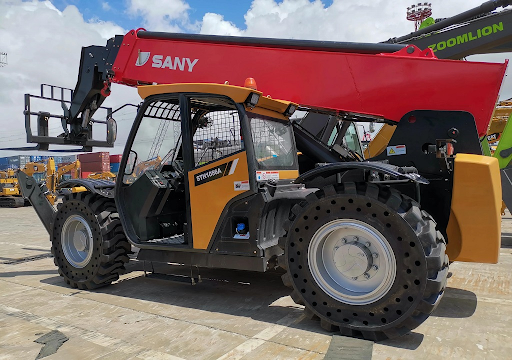
General building sites often use mid-range telehandlers with 6,000–10,000 lb capacities and lift heights from 42–55 feet. These machines handle pallets of block, lumber, and steel while still fitting into most sites. High-rise or bridge work may demand larger units with 10,000–12,000 lb capacities and longer reach for heavy formwork or long-span beams. Tight residential jobs benefit from compact telehandlers that offer strong lift in small spaces. Always align size with building height, material weights, access paths, and staging areas to keep deliveries efficient and reduce crane dependency where possible.
READ ALSO: Is a Smartphone Enough for Gaming and Streaming Needs?
Agriculture and Farming Operations
Farms often need versatile telehandlers for stacking bales, loading feed, and handling manure or seed. Capacities in the 5,500–9,000 lb range usually suit most mixed operations. Lift heights around 24–35 feet work well for bale stacking and loft access. Choose models with a strong breakout force for bucket work and enough reach to load high-sided trailers. Compact ag
telehandlers fit tight barns and low doorways, while larger units support big dairy or grain operations. Prioritize all-wheel steering, good visibility, and fast cycle times to move material quickly during busy seasons.
Warehousing and Material Handling Tasks
For yards, distribution centers, and outdoor warehouse work, telehandlers move palletized loads where standard forklifts struggle. Smaller and mid-size units with 5,500–8,000 lb capacities and moderate heights often provide the best balance. They can unload trucks, stack materials, and feed production lines. If you store materials on tall outdoor racks, you may need extra lift height and precise boom control. Solid or semi-solid tires may suit paved yards. Consider turning radius, mast visibility, and attachment options like fork positioners when choosing the right size for efficient, repeatable handling.
Heavy-Duty Industrial and Port Applications
Industrial plants, quarries, and ports often demand high-capacity telehandlers built for severe duty. Machines in the 10,000–12,000 lb and higher range handle large components, heavy steel, and bulk cargo. Extended reach helps load railcars, barges, and tall hoppers. These sites require robust frames, powerful drivetrains, and advanced stability systems. Operators may need specialized attachments like coil rams, grab buckets, or extended forks. When specifying size, factor in long travel distances, continuous duty cycles, and strict safety rules. Choosing a larger, heavy-duty telehandler often reduces wear, downtime, and risk.
Conclusion
Selecting the right telehandler size comes down to real numbers and clear tasks, not guesswork. Define your maximum load, required lift height, and forward reach. Match those needs with the terrain, access limits, and typical duty cycle on your site. Always check load charts for each attachment and allow a safety margin so operators never work at the edge of capacity. Then consider future projects and growth. A carefully sized telehandler improves productivity, reduces risk, and lowers operating costs. When in doubt, consult manufacturer data and expert advice before you commit.