
What Factors Affect Wheel Loader Fuel Efficiency?
May 22, 2026
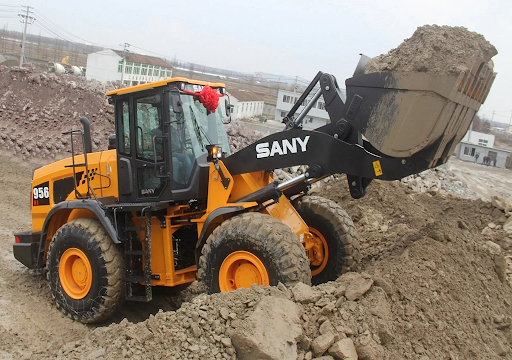
Wheel loaders burn a lot of fuel on busy jobsites, so even small efficiency gains can save serious money. Fuel use depends on how operators handle the machine, how well it matches the job, and how consistently the owner maintains it. Engine and hydraulic design, tire condition, and underfoot ground resistance also play key roles. Many fleets overlook idle time, poor loading technique, and worn components that quietly increase fuel consumption. Understanding these factors helps contractors cut operating costs, extend machine life, and meet tighter environmental targets.
Main Factors That Influence Wheel Loader Fuel Efficiency
Operator Habits and Driving Techniques
Operator behavior has one of the strongest impacts on wheel loader fuel efficiency. Aggressive throttle use, sudden direction changes, and constant maximum rpm all push fuel burn higher. Skilled operators keep engine speed within the efficient range, use smooth bucket movements, and avoid unnecessary travel. Reducing idle time, planning shorter cycles, and keeping the bucket fully but not excessively loaded also help. Training programs, on‑board coaching displays, and performance feedback reports guide operators to refine habits. Small changes in technique often deliver measurable savings across an entire fleet.
Machine Size and Load Capacity Matching
Choosing the right loader size for the job strongly influences fuel consumption per ton moved. An oversized machine may run underloaded, wasting fuel because the engine and hydraulics never work in their most efficient zone. An undersized loader may require more passes, longer cycles, and high throttle, all of which increase fuel burn. Matching bucket size and breakout force to the material density, truck size, and production targets ensures efficient loading. Contractors should analyze typical cycle times, payload, and utilization to select loaders that operate near their optimal load range.
READ ALSO: How Do You Choose the Right Telehandler Size?
Engine Technology and Hydraulic System Efficiency
Modern wheel loaders use advanced engine technology to improve fuel efficiency while meeting emission limits. High‑pressure common‑rail fuel systems, turbocharging, and optimized combustion reduce fuel use at given power levels. Features like automatic engine shutdown and economy modes help during partial loads or idle periods. Hydraulic efficiency matters as much as engine design. Load‑sensing hydraulics, variable‑displacement pumps, and optimized flow sharing deliver required power without wasting energy as heat. Well‑tuned systems allow lower engine rpm while maintaining breakout force and cycle speed, cutting fuel burn per productive hour.
Tire Condition, Inflation, and Ground Resistance
Tire performance directly affects rolling resistance and, therefore, fuel consumption. Underinflated or damaged tires increase drag, forcing the engine to work harder. Overinflated tires reduce traction and cause more wheel spin, wasting fuel and wearing tread faster. Correct tire pressure, matched to load and site conditions, gives a stable footprint and balanced traction. Tread pattern also matters: appropriate patterns for rock, soft soil, or mixed surfaces improve grip and reduce slip. Level, well‑maintained haul roads with fewer ruts and slopes lower ground resistance and support more efficient cycles.
How Maintenance Impacts Wheel Loader Fuel Consumption?
Importance of Regular Engine and Filter Maintenance
Engine health strongly shapes fuel efficiency. Clogged air filters restrict airflow and force the engine control system to adjust fueling, often increasing consumption and reducing power. Dirty fuel filters can limit flow and affect injection pressure, harming combustion quality. Regular inspections and timely replacements keep the engine breathing and burning cleanly. Following
the manufacturer’s oil change intervals and using the correct viscosity reduces internal friction losses. Routine diagnostics to check injector performance, turbocharger condition, and emission system function prevent small issues from developing into fuel‑wasting problems.
Hydraulic System Checks and Lubrication Practices
Hydraulic systems move heavy loads, so any restriction, leak, or contamination can increase fuel use. Worn pumps, partially blocked valves, or dirty fluid force the engine to work harder to maintain pressure. Regularly checking hoses, cylinders, and fittings for leaks preserves system efficiency and prevents energy loss. Keeping hydraulic oil clean and within the recommended temperature range limits internal friction. Proper lubrication of pins, bushings, and joints also reduces mechanical resistance during lifting and dumping. Following a strict service schedule ensures smoother motion, shorter cycles, and lower fuel consumption.
Preventing Fuel Waste Through Tire and Brake Inspections
Poorly maintained tires and brakes quietly drive up fuel costs. Underinflated tires increase rolling resistance, while uneven wear can reduce traction and cause extra wheel slip during loading or climbing. Regular inspections help crews correct pressures, rotate tires, and replace damaged casings before they affect performance. Dragging brakes from misadjusted or worn components generate heat and resist movement, forcing the engine to use more fuel simply to keep the loader rolling. Routine brake checks, cleaning, and timely component replacement prevent unnecessary drag and preserve efficient machine operation.
Using Monitoring Systems to Detect Performance Issues
Telematics and onboard monitoring systems give managers detailed data about fuel use, idle time, and machine loads. By tracking real‑time consumption, operators and supervisors can spot inefficient practices such as extended idling, harsh acceleration, or long travel routes. Alerts for high hydraulic temperatures, low pressures, or engine fault codes highlight issues that may increase fuel burn. Trend reports reveal when a particular loader begins using more fuel per ton, signaling maintenance or training needs. Using this data, fleets adjust operating techniques, schedule timely service, and keep fuel efficiency stable.
Conclusion
Wheel loader fuel efficiency results from a combination of operator skill, correct machine selection, advanced technology, and disciplined maintenance. Careful training, shorter and smoother work cycles, and proper matching of bucket and loader size all reduce fuel use per ton. Engine and hydraulic design features help, but they only deliver full value when owners keep filters, fluids, tires, and brakes in top condition. Monitoring systems make fuel performance visible, turning hidden waste into clear improvement opportunities. Small, consistent adjustments across these areas produce long‑term savings and higher profitability.