
Why Football Sounds Better With a Ghanaian Match-Day Playlist
October 22, 2026
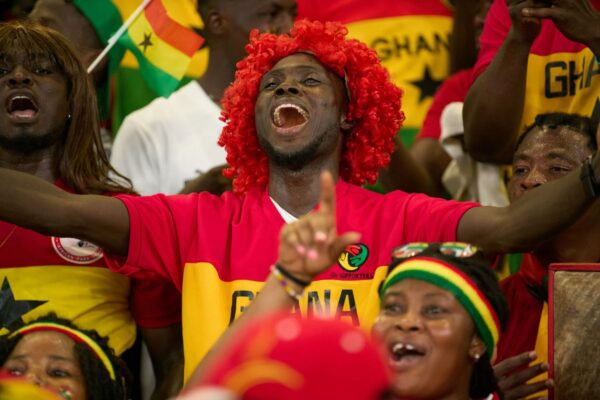
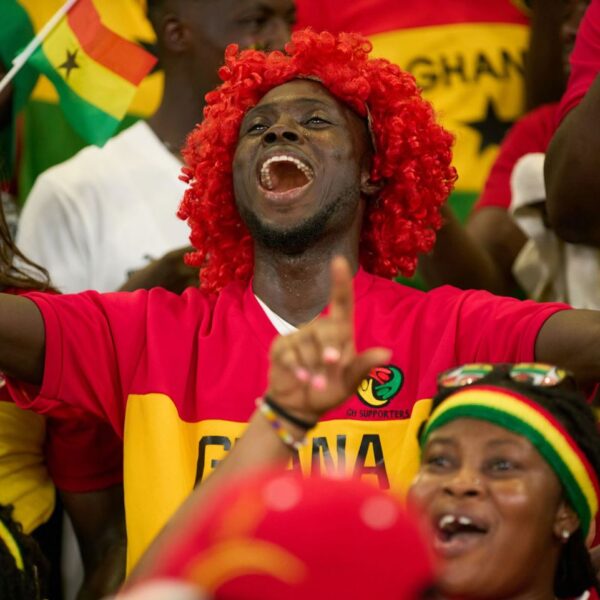
Football would be a tragic game if played or watched in complete silence. In Ghana, the buildup to the game can include brass, drums, whistles, gospel, highlife, hiplife and enough chanting to reach the players’ spirits long before kick-off. The right music doesn’t simply fill time between matches but gives the entire day its shape.
There isn’t one compulsory genre for a football game. What works depends on whether you’re travelling to the stadium, watching with friends or preparing for a late European fixture at home. Even so, true football-style music tends to share a few useful qualities. It has an obvious beat, a chorus people can learn quickly and enough energy to survive repeated plays without becoming unbearable by half-time.
Jama Gives Ghanaian Football Its Pulse
Jama sits at the heart of the Ghanaian match-day sound. It combines drumming, percussion, brass instruments, clapping, singing and repeated chants that allow a large group to join without needing a rehearsal beforehand. One person can lead a line and everyone around them supplies the response.
You’ll hear jama around national-team fixtures, supporters’ gatherings and viewing parties. The pace can rise as kick-off approaches, settle briefly during tense periods and return at full volume after a goal giving a football game full participation built into the music.
Your match-day routine can now spread across several screens as well. You might play music through a speaker, follow team news on social media and check soccer fixtures or markets after you download betway app. The football match should still lead your afternoon viewing. Music, statistics and match information simply give you something useful to do while waiting for the referee to get on with it.
Jama also avoids the awkwardness of trying to make an entire stand sing three verses of a complicated song while someone in the crowd confidently invents new lyrics to the second verse, which can be politely ignored.
READ ALSO: Why Your Broadband Never Matches the Advertised Speed
Highlife and Hiplife Belong on the Playlist
A Ghanaian football playlist doesn’t have to consist entirely of songs written specifically for the sport. Highlife brings bright guitar lines, horns and danceable rhythms that work beautifully during the journey to a match or the long wait before kick-off. Hiplife adds rap, electronic production and more contemporary energy without losing its Ghanaian identity.
Both genres give you plenty of room to control the pace. Start with relaxed highlife while people arrive, then move towards faster hiplife, Afrobeats and dance tracks closer to kick-off. At half-time, a familiar chorus will usually be more welcome than anything slow or experimental. There’s a place for the twelve-minute album track with the mysterious opening, but the fifteenth minute of a goalless match probably isn’t it.
Football songs can also draw from gospel. Nacee has released Black Stars-related tracks such as Ye De Ba and We Are Ready, using the language of belief, collective purpose and national support.
Asamoah Gyan’s association with music provides some strength between the pitch and Ghana’s hiplife culture. His collaborations with Castro helped make “Baby Jet” a musical personality as well as a football one. His goal celebrations strengthened that crossover further, with dance becoming part of how supporters remembered major tournament moments.
Football Anthems Don’t Need Football in the Title
Some of the most effective stadium tracks weren’t originally written about football at all. A song can become attached to a team because supporters adopt its chorus, a player dances to it or it happens to accompany an unforgettable tournament.
At the 2026 World Cup, Ghana used DopeNation’s “Kakalika” as its signature and goal track. FIFA’s stadium music programme assigned teams warm-up, introduction and celebration songs, blending familiar international stadium records with music chosen to represent each country.
That selection makes sense. DopeNation’s energetic production gives a crowd an immediate cue to move, while the Ghanaian character prevents the stadium soundtrack from becoming a collection of identical international hits. Supporters want songs that they recognise in seconds, but national-team football gains something extra when the music sounds as though it belongs to the people wearing the shirts.
Build the Playlist Around the Match
Timing should be taken into consideration. Before kick-off, you’ll want songs that raise the energy gradually rather than exhausting everyone an hour early. During half-time, keep the selections short and familiar. After the final whistle, the result decides the rest.
A winning playlist can move straight into jama, hiplife and full-volume celebration. After a disappointing result, you could lower the temperature without turning the gathering into a memorial service. Football provides another fixture soon enough.
A perfect match-day playlist should also leave room for the people watching. Friends will request songs, somebody will insist that one particular track has never lost a match and another person will begin a chant halfway through your carefully arranged queue. Let them. Ghanaian football music has always gained its energy from participation.